
TCMandYou Seasonal Health Update · 31 July 2026
Li Qiu 2026: The Heat Is Not Over
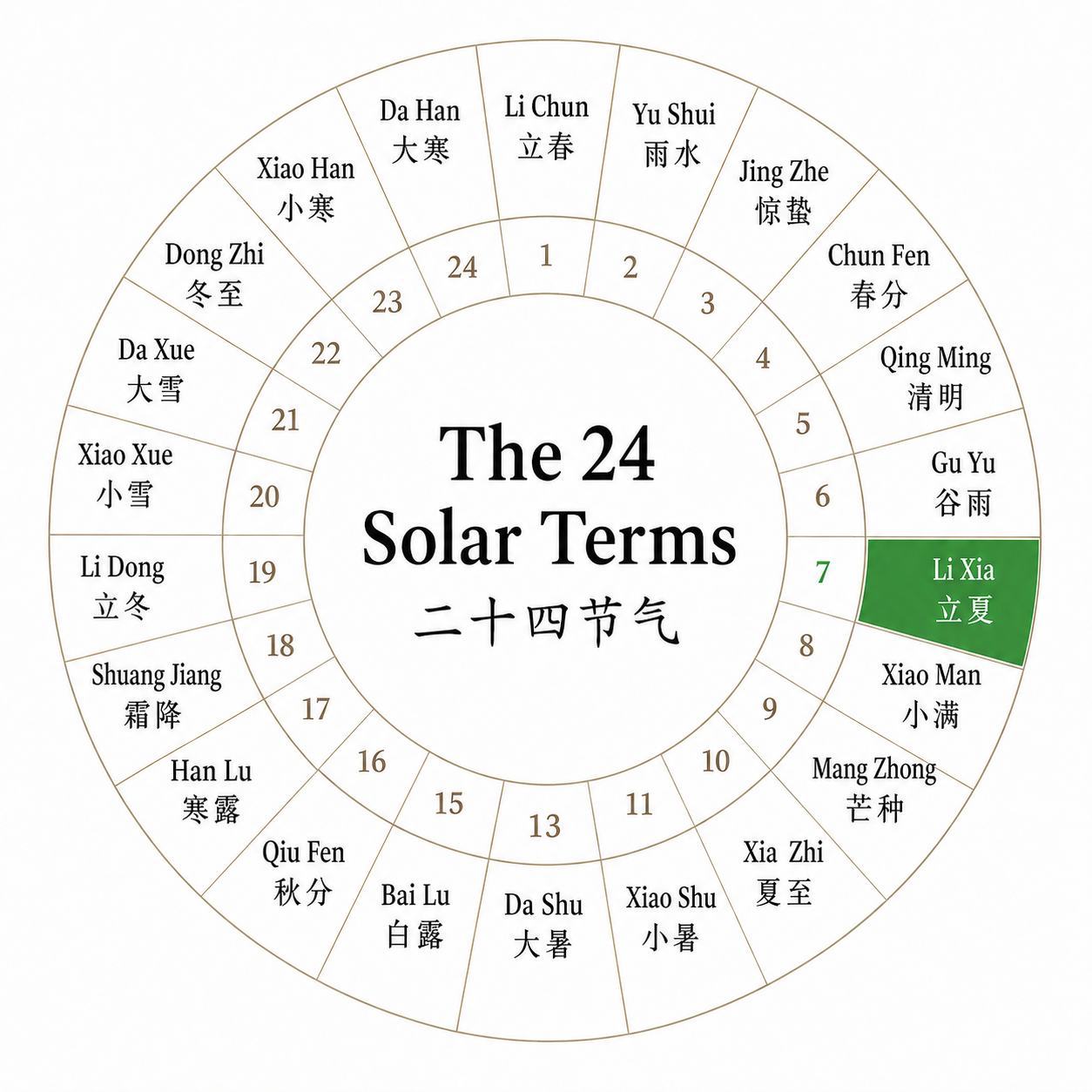
Continuing our Li Xia 2026 health betterment journey as Singapore moves from the height of summer toward the Beginning of Autumn.
Recorded Seasonal Health Sharing
Watch the Li Qiu 2026 Seasonal Health Sharing
Thank you to everyone who joined our complimentary online sharing on 3 August 2026.
If you were unable to attend, or would like to review the session again, the recordings are now available on YouTube.
In this seasonal health sharing, Dr Clement Ng discusses the transition from Li Xia to Li Qiu, lingering summer heat, emerging dryness, Lung and respiratory health, seasonal dietary guidance, acupressure and practical daily health betterment.
A Note from Dr Clement
Good health is built through small, consistent actions rather than one-time efforts. These seasonal updates translate Traditional Chinese Medicine principles into practical and responsible guidance that can help you better understand your body and adapt to changes in weather, environment and daily life.
Continuing the 2026 Seasonal Journey
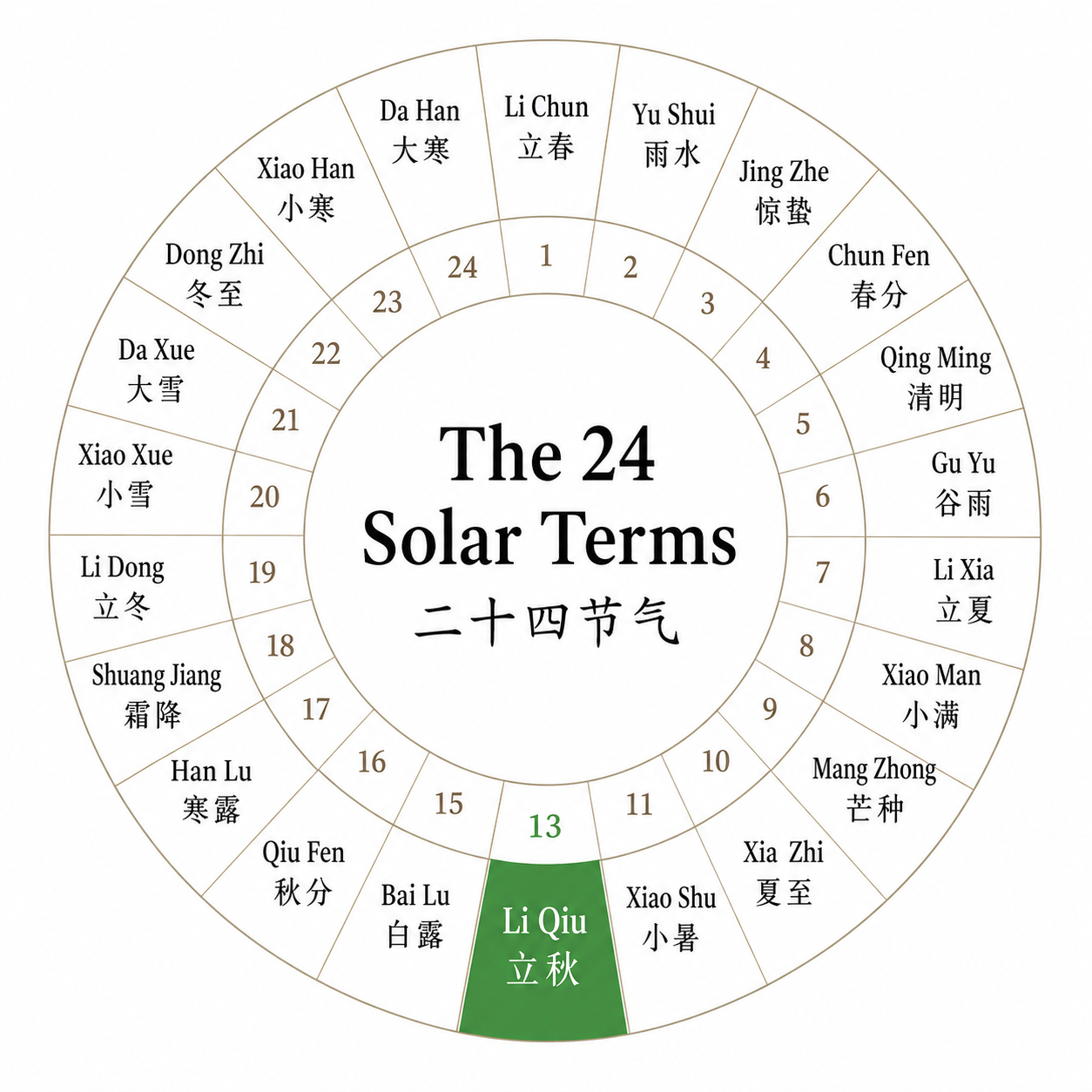
From Li Xia to Li Qiu: What Continues, and What Now Changes
Our Li Xia 2026 seasonal update prepared us for Singapore’s hot, humid and rainy months. Its central guidance was to clear heat gently, transform dampness, protect the Spleen and calm the Heart.
That advice remains relevant. Since May, the long warm season has continued to challenge hydration, digestion, skin comfort, sleep and emotional balance. Li Qiu does not suddenly remove these summer influences—especially in Singapore, where heat and humidity may continue well beyond the solar term itself.
What changes now is the direction of attention. As we approach Li Qiu on 7 August 2026, we continue to manage lingering Heat and Dampness while becoming more attentive to dryness, the Lung system, nasal and throat comfort, skin moisture and air quality.
Environmental Update
Singapore: No Major Haze Episode, but Preparedness Still Matters
Following our Li Xia guidance on coping with heat and humidity, the July advisory drew attention to regional hotspots and the possibility of transboundary haze. Fortunately, a significant widespread haze episode had not developed in Singapore by 31 July 2026.
At the time of writing, the 24-hour PSI across Singapore was in the low Moderate range, with the Central region somewhat higher than several other regions. Some residents may therefore have noticed slightly hazier-looking skies. However, a Moderate PSI reading on its own should not be confused with a severe haze event, and air quality can change from hour to hour.
The Southwest Monsoon is expected to continue into late September or early October. Singapore is climatologically drier during this period, while dry conditions in parts of southern Sumatra, Kalimantan, Java and the Lesser Sunda Islands can support isolated hotspots and localised smoke plumes. The sensible response is not alarm, but readiness.
A Wider Health Context
Heat and Wildfire Smoke Are Global Health Concerns
Across Europe, severe wildfires and repeated heatwaves have affected communities during July 2026. The European Forest Fire Information System continued to report extensive burned areas across its coverage region, while large fires in France, Spain and other countries led to evacuations and dangerous smoke conditions.
Japan has also experienced periods of dangerous summer heat. Japan’s Fire and Disaster Management Agency reported 10,857 heat-illness ambulance transports nationwide from 13 to 19 July 2026. Official heat-stroke alerts are issued when the forecast heat-stress index reaches levels associated with a very high risk of illness.
Singapore’s climate is different, and these overseas events do not mean that we will experience the same conditions. They do, however, remind us that heat, dehydration and smoke exposure are genuine public-health factors requiring preparation rather than complacency.
For individuals at higher risk
- Older adults and young children
- People with asthma or chronic heart and lung conditions
- Those working or exercising outdoors
- People taking medicines that affect hydration or heat tolerance
- Anyone recovering from illness, poor sleep or prolonged fatigue
TCM Perspective
Li Qiu Is a Transition, Not a Weather Switch
Li Qiu marks the gradual transition from the expansive Yang activity of summer toward the more inward and consolidating qualities associated with autumn. This follows naturally from our Li Xia focus on Heat, Dampness, digestion and Heart-Shen balance. In Singapore, hot and humid conditions continue, so TCM seasonal guidance should be applied according to our actual tropical environment rather than copied literally from a temperate climate.
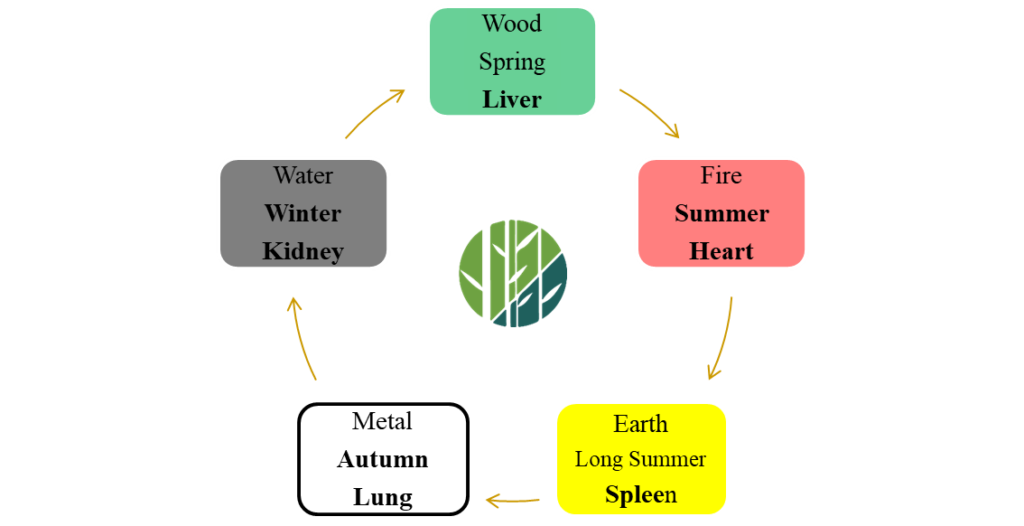
Within the Five Elements framework, autumn corresponds with the Lung system. The Lung is traditionally associated with breathing, the movement of Qi, the skin and body surface, the nose, and the body’s interaction with the external environment. Dryness is considered especially likely to disturb the Lung.
At this time of year, we may therefore encounter a mixed pattern: lingering heat and humidity outdoors, air-conditioning and dryness indoors, intermittent haze, inadequate hydration, and accumulated fatigue from the long warm season.
What You May Notice
Common Health Concerns Around Li Qiu
Heat and fluid depletion
Thirst, headache, dizziness, fatigue, reduced concentration, dark urine or feeling unwell after prolonged outdoor activity.
Respiratory irritation
Dry or itchy throat, mild dry cough, nasal discomfort, allergic rhinitis, eye irritation or greater sensitivity when air quality worsens.
Dryness and digestion
Dry lips or skin, harder stools, constipation, reduced appetite, bloating or digestive discomfort after heavy and overly rich meals.
Sleep disruption
Difficulty settling at night, waking because of heat, restlessness or waking without feeling refreshed.
Reduced resilience
Persistent tiredness, slow recovery after activity or becoming more susceptible to respiratory infections.
Emotional strain
Low mood, irritability or a sense of heaviness may be amplified by poor sleep, heat, environmental stress and prolonged fatigue.
Seasonal Food Guidance
Three Gentle Food Options for Li Qiu
The aim is to support hydration and comfort without assuming that everyone needs the same “cooling” or “nourishing” ingredients.
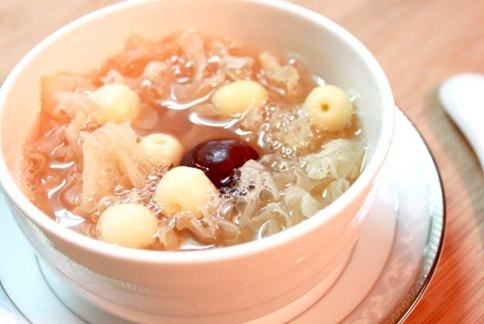
1. Lily Bulb, White Fungus and Lotus Seed Dessert
百合银耳莲子汤
Traditional use: To nourish Yin, moisten dryness and support throat and respiratory comfort.
Simple approach: Simmer soaked white fungus with lily bulb and lotus seed until soft. Add only a modest amount of sweetener.
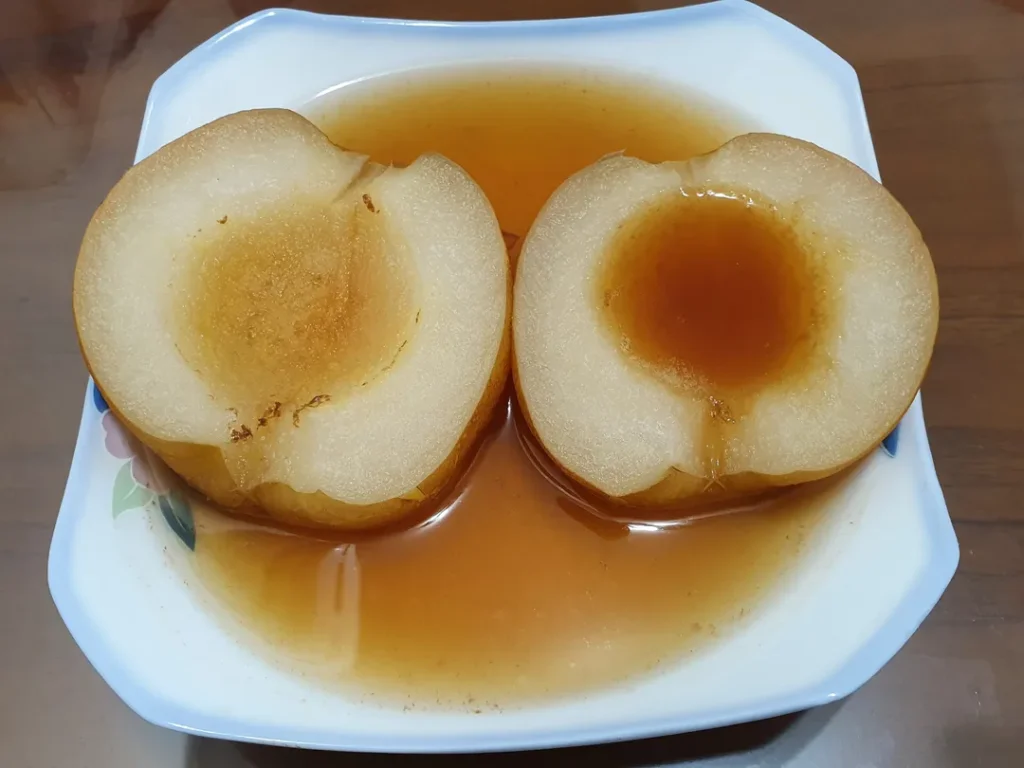
2. Honey-Stewed Pear
蜂蜜炖雪梨
Traditional use: To moisten the throat and ease mild dryness.
Simple approach: Steam or stew one pear until tender, then add a small amount of honey after it cools slightly. People with diabetes should limit or omit honey.
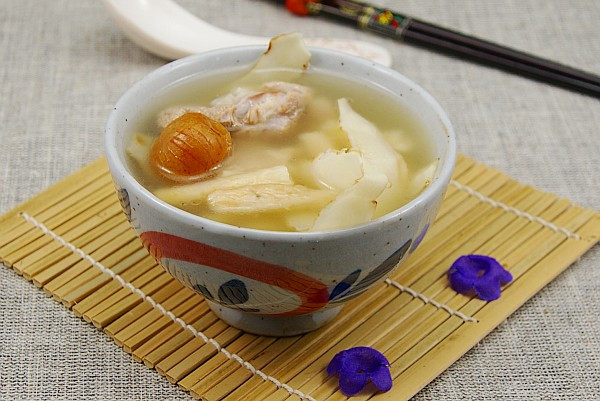
3. Glehnia and Polygonatum Lean Pork Soup
沙参玉竹瘦肉汤
Traditional use: To nourish fluids and support comfort when dryness is noticeable.
Simple approach: Prepare as a light soup with lean pork. As this contains Chinese medicinal ingredients, consult a qualified practitioner when pregnant, taking medication or managing a chronic condition.
Simple Self-Care
Three Acupressure Points for Seasonal Support
Use comfortable pressure rather than force. Massage each point for about one minute on each side while breathing slowly.
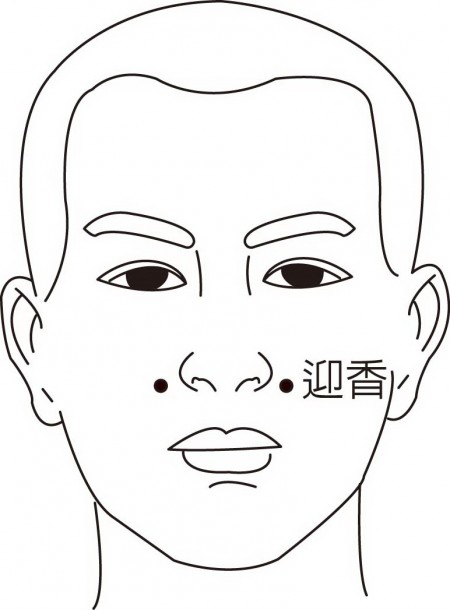
1. Yingxiang (LI20) · 迎香
Location: Beside the nostrils, in the grooves running from the nose toward the mouth.
Traditional use: To support nasal comfort and help open the nasal passages.

2. Taiyuan (LU9) · 太渊
Location: At the wrist crease on the thumb side, near the radial pulse.
Traditional use: To support Lung Qi and respiratory function.
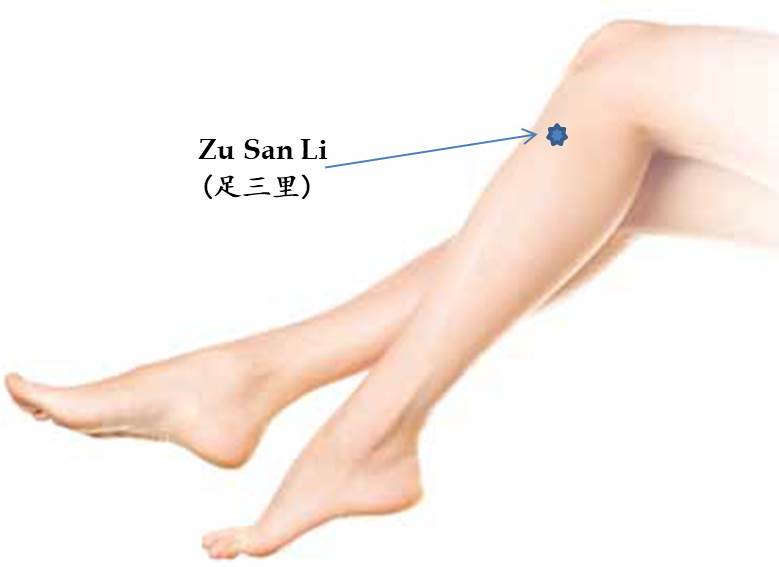
3. Zusanli (ST36) · 足三里
Location: About four finger-widths below the kneecap, slightly outside the shinbone.
Traditional use: To support digestion, Qi and general vitality.
Daily Health Betterment
Practical Habits for the Weeks Ahead
For heat and hydration
- Drink regularly rather than waiting until you feel very thirsty.
- Reduce prolonged outdoor activity during the hottest part of the day.
- Use shade, breathable clothing and planned rest breaks.
- Replace fluids after exercise and watch for dizziness, weakness or confusion.
For respiratory comfort and haze readiness
- Check official PSI and PM2.5 readings when skies appear hazy.
- Reduce strenuous outdoor activity when air quality worsens, especially if you are vulnerable.
- Keep prescribed inhalers and medicines available and use them according to medical advice.
- A properly fitted N95 mask may reduce inhalation of fine particles during haze; ordinary surgical masks do not provide the same protection against PM2.5.
For sleep and recovery
- Maintain a regular sleep and waking schedule.
- Allow the body to cool before bedtime after late exercise.
- Use air-conditioning or a fan safely to support comfortable sleep without directing very cold air continuously at the face.
For food and digestion
- Choose lighter, balanced meals when appetite is reduced by heat.
- Moderate very spicy, fried, barbecued and heavily sweetened foods when they worsen thirst, reflux or digestive discomfort.
- Do not assume every “cooling” food suits every person; adjust according to your digestion and constitution.

Closing Message
Health Betterment Begins Before Illness
Li Qiu reminds us that change often begins before it becomes obvious. The weather may still feel like summer, yet the seasonal rhythm is already moving forward. The habits introduced during Li Xia—hydration, digestive care, rest and emotional balance—remain our foundation, while Li Qiu adds greater attention to dryness, the Lung system and respiratory resilience.
Our aim is not to become anxious about every shift in temperature or air quality. It is to become more observant, better prepared and more capable of making appropriate daily choices.
May this seasonal update help you and your family approach the weeks ahead with greater awareness, balance and resilience.
Dr Clement Ng Shin Kiat
Singapore-Registered Traditional Chinese Medicine Physician
Founder, TCMandYou Pte. Ltd.
Continue Your Health Betterment Journey
Explore TCMandYou’s latest SkillsFuture-supported courses, public education programmes and practical wellness learning opportunities.
Medical disclaimer: This article is intended for general health education only. It does not provide individual diagnosis or treatment and is not a substitute for professional medical advice. Seek qualified care for persistent, severe, worsening, acute, pregnancy-related, medication-related, paediatric, elderly or emergency concerns. Chinese herbs and medicated diets may not be suitable for everyone and may interact with medicines.