
TCMandYou · Seasonal Health Betterment · November 2026
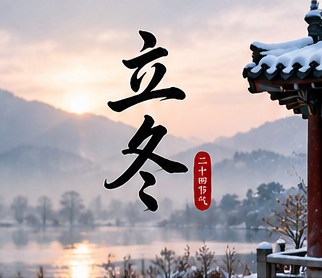
Li Dong 2026 (立冬)
Are You Ready for the Cooler Months Ahead?
From Haze Preparedness to the Tradition of 补冬
By Dr Clement Ng Shin Kiat 黄欣杰博士 · Li Dong: 7 November 2026
Dear Students and Friends,
I hope you and your family have been keeping well!
Have you noticed that quite a few people around you have been coughing, having runny noses, sore throats or flu-like symptoms recently? Perhaps some of you have experienced these discomforts yourselves. How have you been feeling?
For those who have been following my seasonal health updates, you may remember that during Li Qiu (立秋), the Beginning of Autumn, I reminded everyone to pay particular attention to the Lung system and prepare for the possibility of haze affecting Singapore.
Well, Singapore has indeed experienced some unpleasant haze days recently. On 24 October 2026, air quality reached the Unhealthy range, with 24-hour PSI readings of 108–151. This brings me to a question I would like to ask: Did you remember my earlier advice, and more importantly, did you prepare before the haze arrived?
Perhaps you monitored air quality, adjusted outdoor activities or paid greater attention to respiratory comfort. If you did, I am glad you have been putting what you learned into practice. Precautions cannot guarantee that we will not become ill, but knowing when to act can reduce avoidable health risks.
In the Li Qiu 2026 article, I discussed autumn dryness, Lung care and why early haze readiness matters. You can revisit that guidance and reflect on which habits you have put into practice.
Watch the Li Dong 2026 Health Sharing Recordings
Our English and Chinese sessions were successfully held on 3 November 2026. If you missed the live sharing, or would like to revisit the practical advice on 补冬, preventive care, food therapy and acupressure, the full recordings are now available below.
Selected Short Highlights · 精选短片
Prefer a shorter viewing? Start with the value of prevention, explained through the traditional three levels of healthcare practitioners. There is also a Chinese-language reflection on why TCM education matters.
Now, as we approach another seasonal transition, let us continue that same journey — from understanding what may happen, to taking responsibility for our health every day.
Li Dong Is Approaching — It Is Time for 补冬!
On Saturday, 7 November 2026, we will welcome Li Dong (立冬), a traditional solar term marking the beginning of winter in the Chinese calendar. For many Chinese families, Li Dong brings to mind a familiar tradition known as 补冬 (Bu Dong), or seasonal nourishment.
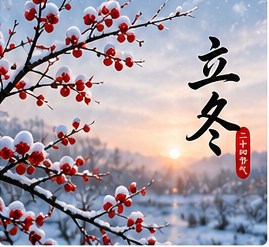
立冬 · Seasonal Health Betterment
In the traditional 24 solar terms, Li Dong invites us to conserve energy, rest well and choose nourishment suited to our constitution.
Traditional solar-term illustration · not a photograph of Singapore
A traditional reminder to nourish ourselves as winter approaches.
Some of you may remember your parents or grandparents preparing black chicken soup, mutton soup or herbal chicken soup at this time of year. This nourishing tradition was a family practice, but it also carried a simple message: slow down, restore your strength and prepare for the months ahead.
In TCM, Li Dong is associated with 冬主收藏 — the conservation and storage of energy. Singapore sits approximately one degree north of the equator. While we do not have four distinct seasons, our weather still reflects some Northern Hemisphere seasonal changes. The coming months are generally cooler, with the Northeast Monsoon bringing periods of rain and wind.
However, 补冬 does not mean that everyone should take strong tonics or eat more rich foods. A person who feels cold easily may appreciate a gently warming meal; someone with dryness or sensations of internal heat may be less suited to strongly warming ingredients; someone with weak digestion may prefer lighter nourishment.
This is why I remind my students: 补而不腻,温而不燥 — nourish without heaviness, and warm without excessive dryness. Good nourishment begins with knowing your own body.
Why Wait Until We Fall Sick? The Wisdom of 治未病
Many of us are so busy with work and family that we only pay attention to our health when a problem develops. We think about sleep when we cannot sleep, about our joints when they begin to hurt, and about respiratory care when we start coughing.
But should we really wait until something goes wrong?
One important TCM philosophy is 治未病 — caring for health before illness develops. In my teaching, I introduce the traditional ideas of 上医, who focuses on prevention; 中医, who responds to early warning signs; and 下医, who treats established illness. All three roles matter, but the lesson is that healthcare should not begin only when we are sick.
The recent haze makes this very clear. If we know that haze may occur, why wait until the sky looks unhealthy or our throat becomes irritated before checking the air quality and making sensible adjustments? The same approach applies to sleep, diet, physical activity and chronic health conditions.
That is why I continue these seasonal health updates. I want you to develop knowledge that is useful beyond the classroom — knowledge that helps you care for yourself and the people around you.
Li Dong and the Kidney System in TCM
During Li Qiu we discussed the Lung system, autumn and dryness. With Li Dong, TCM’s seasonal association shifts towards the Water element and the Kidney system. The TCM Kidney is a broad traditional functional concept associated with vitality, growth, development, reproduction and ageing; it is not identical to the anatomical kidneys in modern medicine.
Traditional Li Dong health preservation emphasises 养肾、护阳、藏精 — nourishing Kidney Qi, protecting Yang and conserving Essence. Some of you may recall my earlier sharing about patients who felt heavier legs, more joint stiffness, or discomfort in their lower back and knees during cooler or rainy periods.
These symptoms can have many explanations and should not automatically be labelled Kidney deficiency. Still, they remind us to pay attention to how we feel. Comfortable warmth, regular movement, stretching and sufficient rest are simple ways to care for ourselves.
What Weather Can We Expect in the Coming Months?
Located about one degree north of the equator, Singapore does not have four distinct seasons, but we still experience seasonal changes. The coming months are usually cooler, particularly during prolonged rain and breezy Northeast Monsoon spells. Strong El Niño conditions have also been reported this year. El Niño can influence regional rainfall and temperature, although it does not determine the weather on any particular day.
After Li Dong, we approach Dong Zhi (冬至), Xiao Han (小寒) and finally Da Han (大寒), around 20 January 2027, traditionally associated with one of the coldest periods in the Chinese solar calendar.
We cannot predict whether Singapore will be unusually cool on any particular January day. What matters is preparing sensibly for the weather we actually experience.
As we say in TCM, 因时、因地、因人制宜 — adapt to the season, the place and the individual. Our seasonal health practices should suit Singapore rather than simply copy those used in much colder countries.
Health Concerns Worth Watching in the Coming Months
Respiratory comfort remains important after the haze. Coughing, nasal irritation and sore throat may be caused by several factors, including infection or allergy, and should not automatically be attributed to weather or a TCM pattern. Persistent fever, wheezing, worsening cough or breathing difficulty deserves medical attention.
Circulation and cardiovascular health also matter. Cooler conditions can cause blood vessels to constrict and may raise blood pressure in some people. Those with hypertension, heart disease, diabetes and other chronic conditions should continue prescribed treatment and regular monitoring, even when they feel well.
Joint and muscular discomfort may become more noticeable in cool or wet weather. TCM traditionally discusses some presentations in terms of cold and dampness. Gentle movement and comfortable warmth may help with day-to-day comfort, while persistent pain, swelling or restricted movement should be assessed.
Finally, sleep and emotional wellbeing are easily overlooked as year-end commitments build up. Li Dong’s reminder of 收藏 is a good reminder that we need periods of rest and recovery, not constant activity.
Three Traditional Nourishing Foods for Li Dong
Food therapy is one of the practical subjects many of my students enjoy. I would like to revisit three traditional dishes from our earlier seasonal sharing. They are examples of food culture and TCM dietary thinking, not treatments for any illness.
养气安神乌鸡汤 · Qi-Nourishing Black Chicken Soup
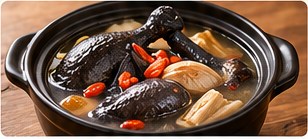
Black chicken soup is a familiar nourishing dish. Traditionally, it may be prepared with ingredients associated with nourishing Qi and Blood.
Clean and blanch the chicken, then simmer all ingredients for approximately 1½–2 hours until thoroughly cooked. Because this recipe contains medicinal herbs, consult a qualified practitioner before using it if you are pregnant, taking medication — particularly anticoagulants or immunosuppressants — or managing significant medical conditions.
黑芝麻核桃粥 · Black Sesame and Walnut Congee
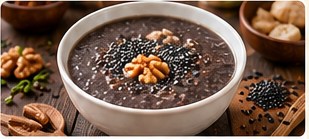
For a simpler breakfast, try a warm congee with black sesame and walnuts. These ingredients are traditionally associated with the Liver and Kidney systems in TCM food therapy.
Cook the beans thoroughly, then add the rice, sesame and walnuts and simmer until soft. It is a good reminder that 补冬 need not be elaborate or expensive. Avoid ingredients to which you are allergic.
枸杞海参鹌鹑蛋汤 · Wolfberry, Sea Cucumber and Quail Egg Soup
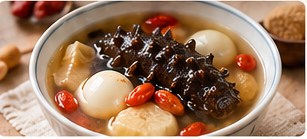
Another traditional nourishing soup combines sea cucumber and goji berries, commonly associated in TCM dietary practice with the Kidney and Liver systems.
Simmer the sea cucumber, yam, goji berries and ginger until appropriately cooked, adding the peeled cooked quail eggs near the end. Take account of seafood allergies and other dietary restrictions.
Remember: food therapy should suit the person, not simply the season.
Four Acupressure Points for Daily Self-Care
Besides food therapy, some of you may remember these four points from my earlier Li Dong sharing. Use gentle, comfortable pressure; acupressure should not cause pain or replace medical care.
Acupoint images are illustrative orientation aids only; use the written descriptions and qualified instruction to confirm exact locations.
关元 · Guanyuan (CV4)
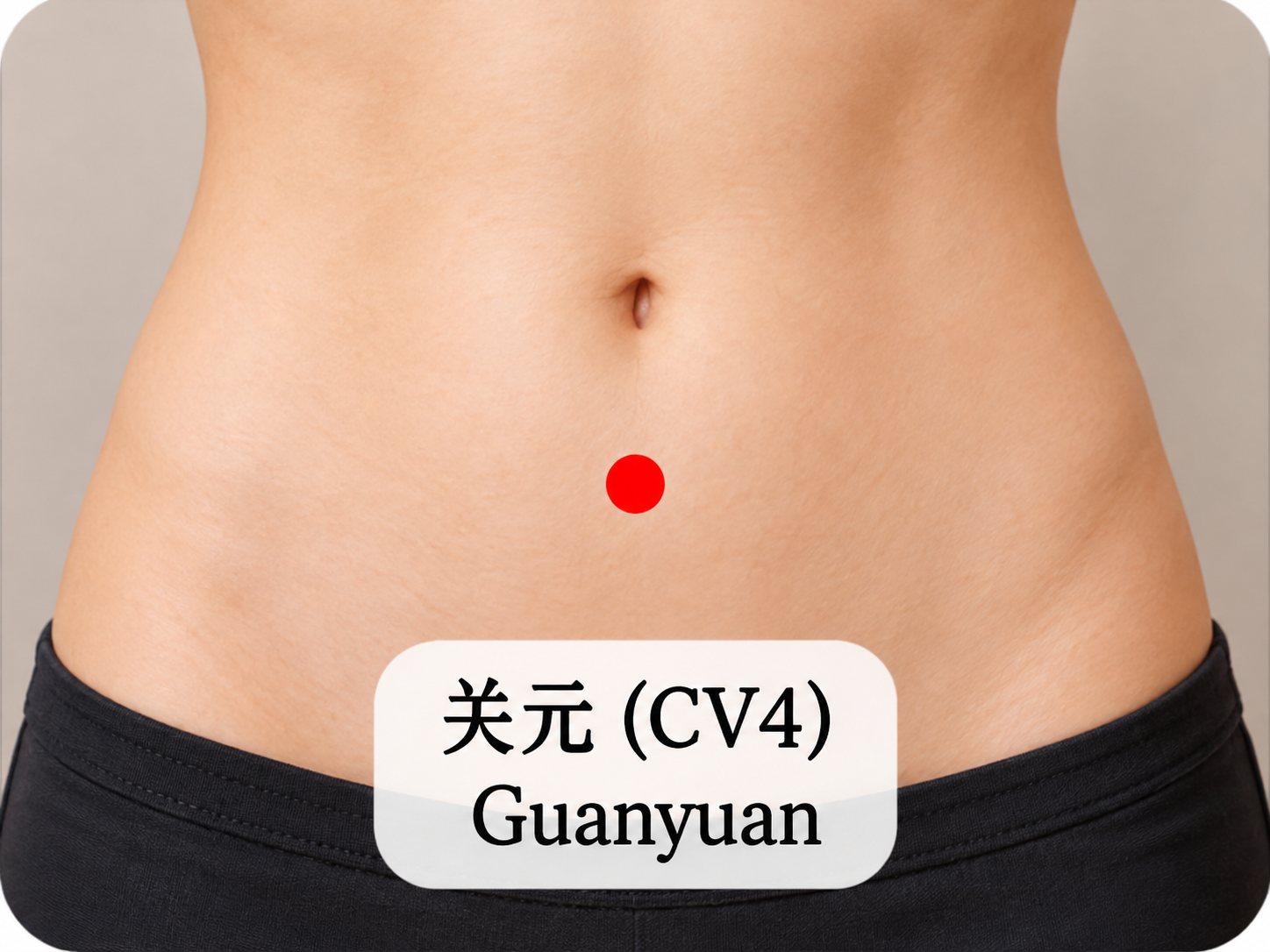
On the lower abdominal anterior midline, 3 proportional cun below the navel and 2 cun above the superior border of the pubic symphysis. Traditionally associated with Yuan Qi. Warm your palms and gently rub the area; avoid deep pressure or abdominal massage during pregnancy without professional advice.
阳池 · Yangchi (SJ4)
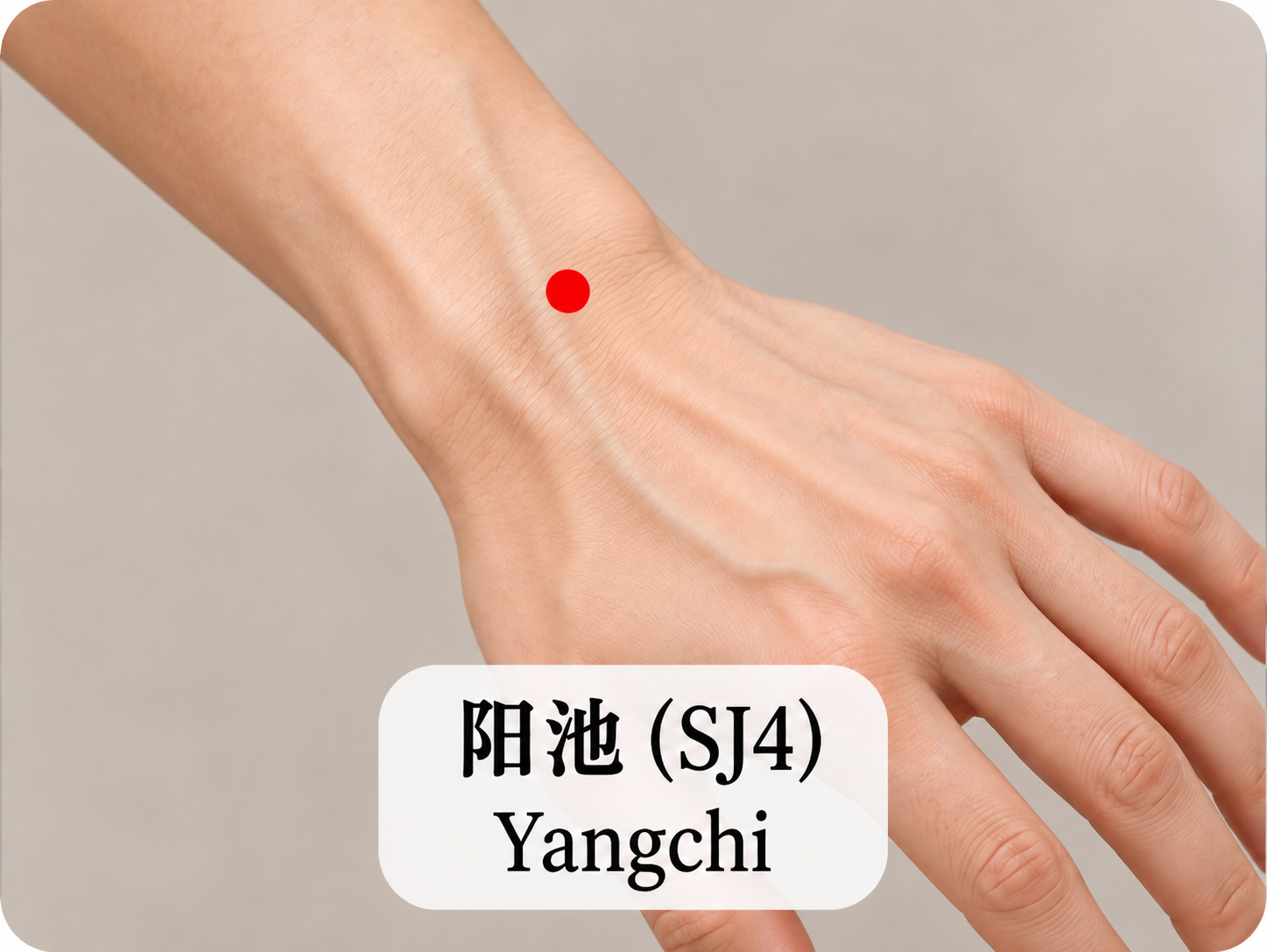
On the dorsal wrist crease, in the depression immediately ulnar (towards the little finger) to the extensor digitorum tendon. Traditionally discussed in relation to the regulation of Qi. Massage gently for about one minute on each wrist.
涌泉 · Yongquan (KI1)
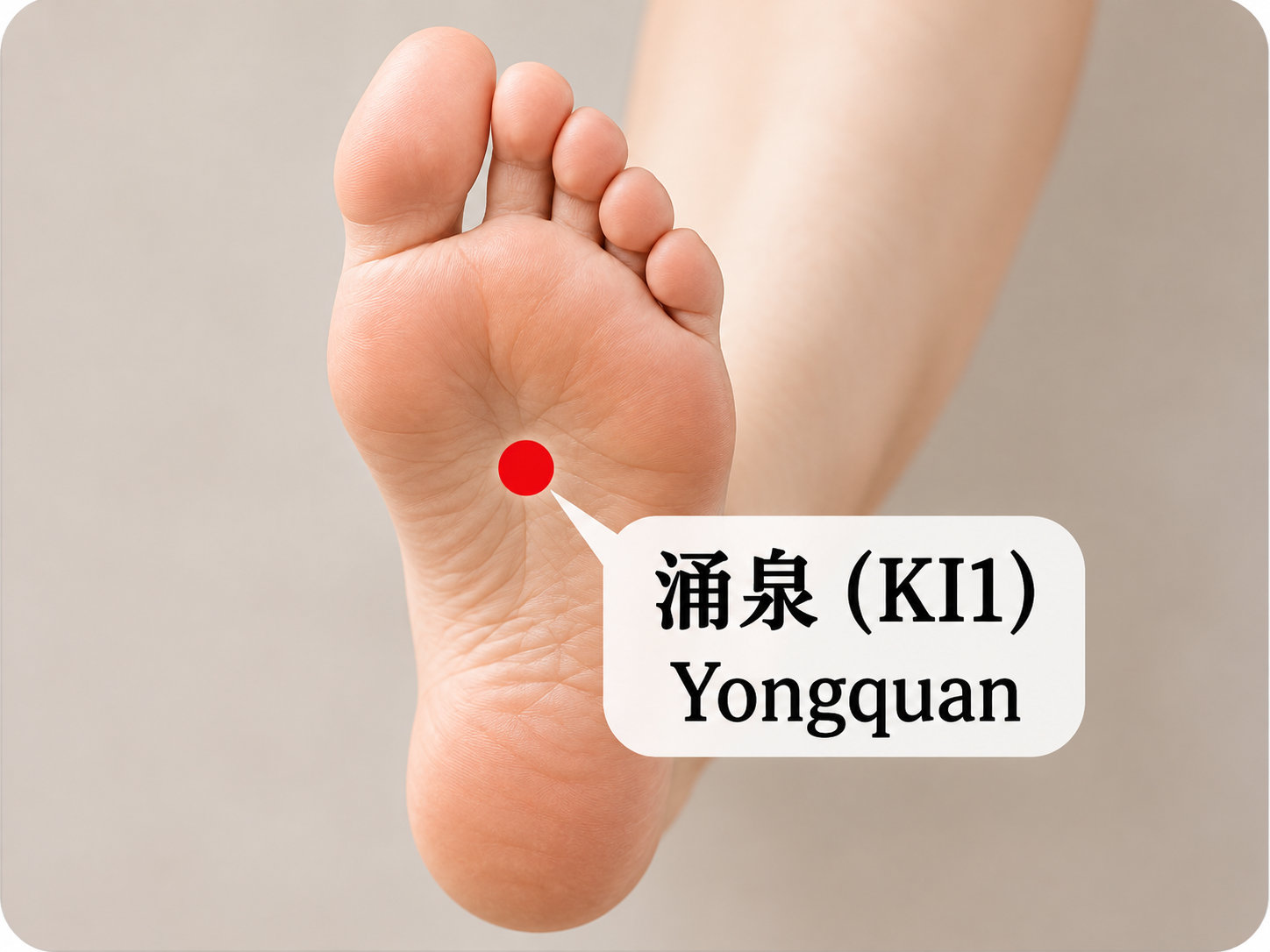
On the sole of the foot, approximately one-third of the distance from the base of the toes towards the heel. Traditionally associated with the Kidney meridian. A gentle foot massage can be part of a relaxing bedtime routine.
肾俞 · Shenshu (BL23)
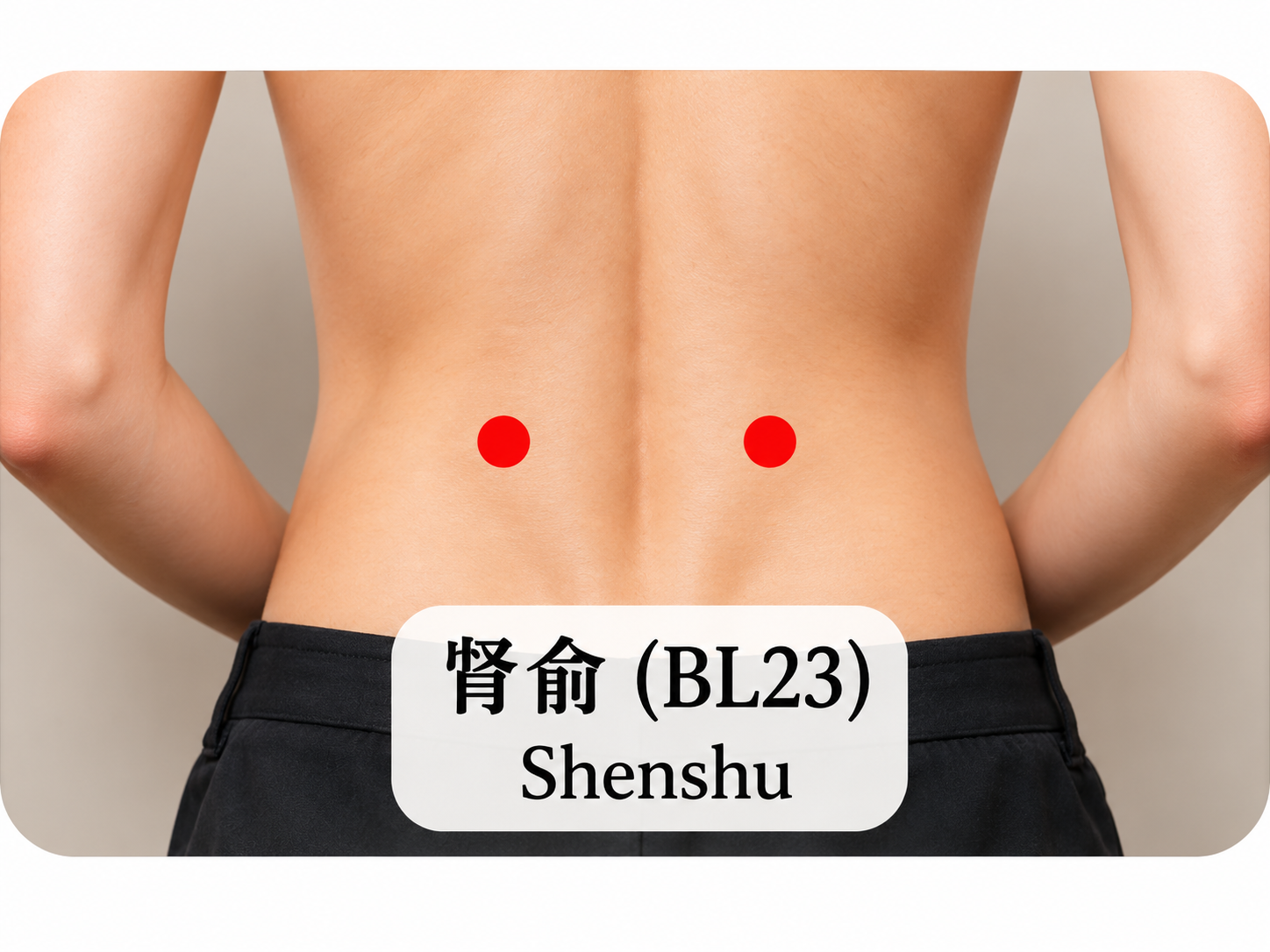
On either side of the lower back, about 1.5 cun from the spine at the L2 level. Traditionally associated with the Kidney system. Rub gently with warm hands without pressing on the spine.
Know Your Constitution — Make Your Health Practices More Personal
Throughout this article I have reminded you that the same food or health practice may not suit everyone. Some people tend towards cold-related discomfort, some report dryness or poor digestion, while others have different concerns. Learning about your constitution is one way to become more observant of your own health.
I have developed the TCMandYou Constitution Compass™ to help you explore your TCM constitution and reflect on your everyday wellbeing. It is an educational self-awareness tool, not a medical diagnosis, and it does not replace consultation with a qualified practitioner.
Use the Constitution Compass™ to begin understanding your personal health tendencies and the areas of daily wellness that may deserve more attention.
Before I Conclude, I Would Like to Hear from You
How has your respiratory health been during the recent haze? Have you experienced coughing, flu-like symptoms, nasal congestion or throat discomfort?
Did you follow my earlier Li Qiu advice and take precautions before the haze arrived? And have you begun making any changes to your diet, sleep and daily routines as Li Dong approaches?
I would be happy to hear about your experience. These reflections are not a test of what you remember from class; they are an opportunity to see how knowledge becomes a habit.
For those who wish to continue learning TCM fundamentals, meridian knowledge, acupressure and medicated diets, you are welcome to explore my health and wellness courses.
I look forward to discussing the seasonal changes with you and answering questions about practical seasonal self-care.
As we welcome Li Dong, remember that 补冬 is not simply about enjoying a nourishing meal once a year. It is about recognising when our body needs rest, suitable nourishment and sensible adjustments.
Looking back on the haze and ahead to the coming monsoon, I hope you will continue putting your health knowledge into practice.
Health Betterment as a Daily Activity.
Everyone needs to take responsibility for their own health.
I wish you and your family good health and happiness in the coming months.
With warmest regards,
Dr Clement Ng Shin Kiat 黄欣杰博士
President, Singapore Acupuncture Association
Founder, TCMandYou Pte. Ltd.
www.tcmandyou.com